
Woven from the Source: How Maila Alog’s Indigenous Wear Collection Was Built Through Culture Bearers, Consultants, and Mentors

The Usapang Pananamit Consultation Phase of Habing Katutubo (2021)
Before Habing Katutubo: Philippine Indigenous Wears and Tapestries became a stage, a runway, or a public platform, it was first a circle of listening.
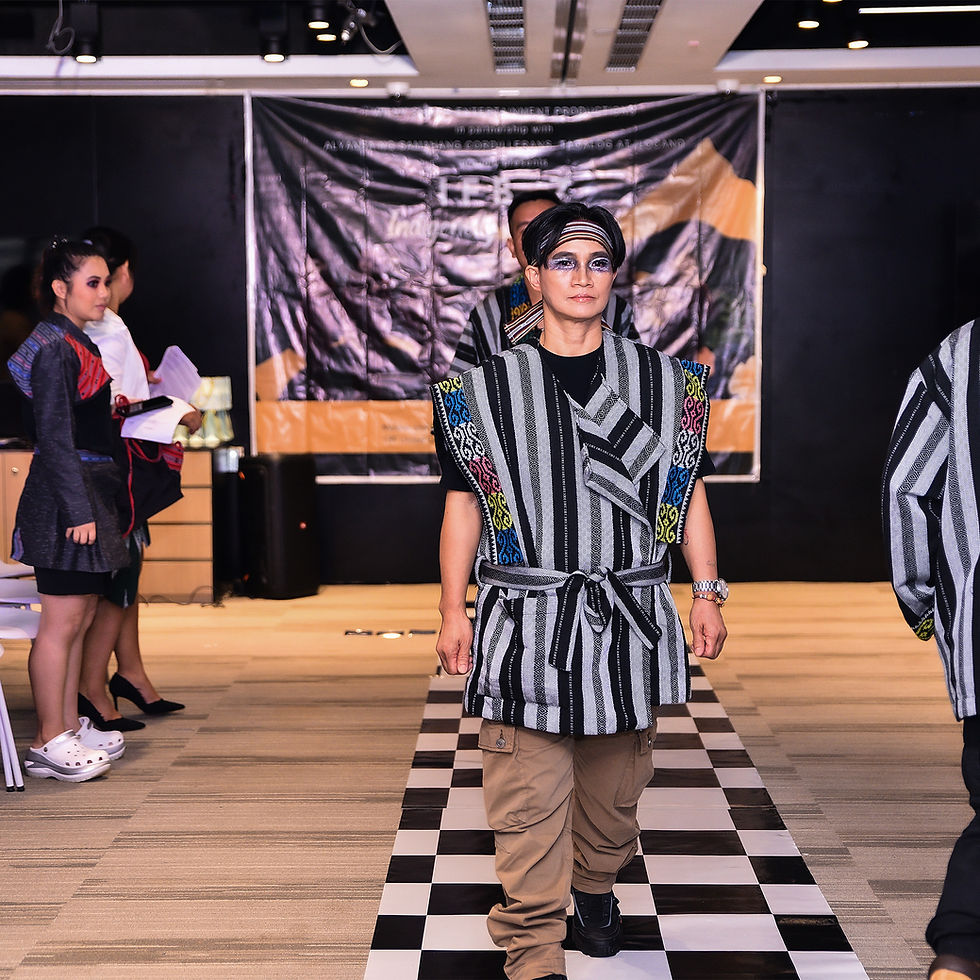
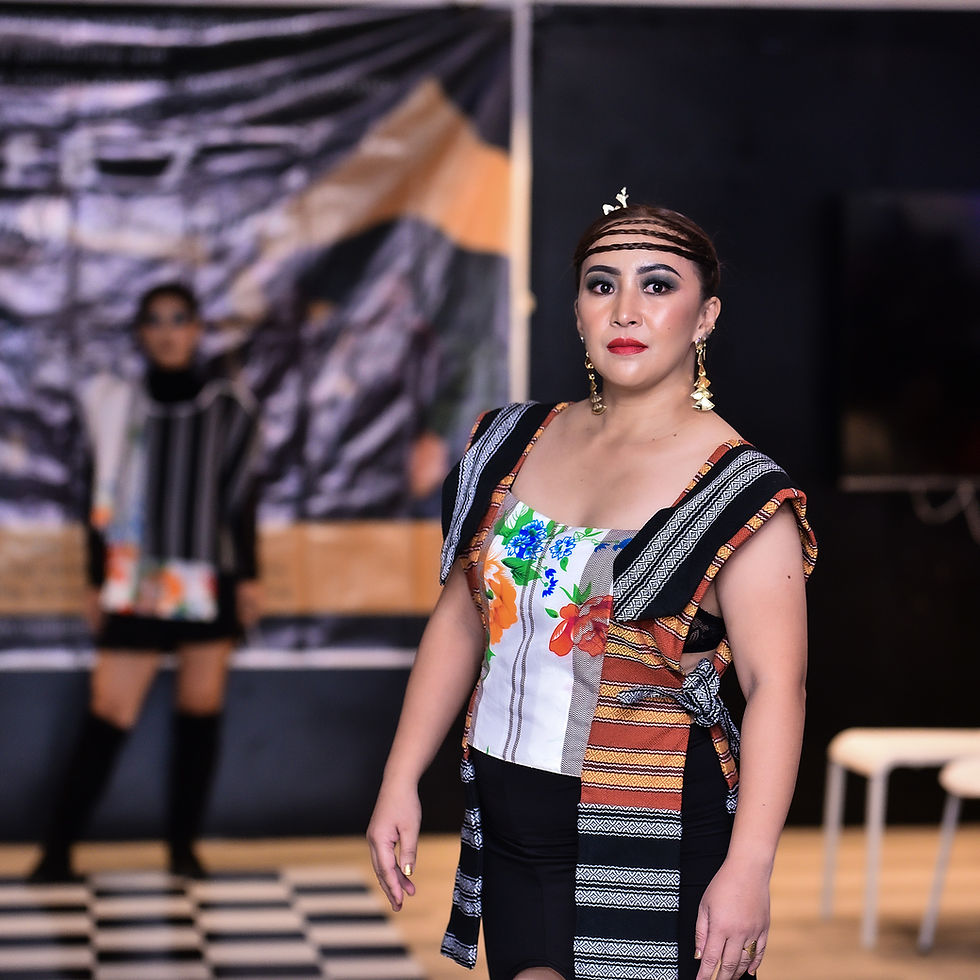
In 2021, during the conceptual and preparation phase of Habing Katutubo, Maila Alog intentionally grounded her Indigenous wear collection in direct consultation with culture bearers—weavers, artisans, cultural workers, and community leaders whose lives are inseparable from the traditions they carry. Rather than sourcing garments through intermediaries or commercial reproductions, the collection was built directly from the hands, knowledge, and guidance of Indigenous peoples themselves, who became not only consultants, but mentors and cultural guardians of the project.
This process, called Usapang Pananamit, ensured that every garment carried not just form and beauty, but context, meaning, protocol, and responsibility.
Culture Bearer Consultants of Usapang Pananamit (2021)
Consultation and Preparation Phase of Habing Katutubo
Lyn Buti
T’boli | Lake Sebu, South CotabatoKnown as “Ye Bong,” Lyn Buti is a T’boli cultural worker since 2007—an artist, artisan, musician, and founder of GONOYEBONG Performing Arts. She guided the project on T’boli symbolism, storytelling, and cultural context. Her group later became a guest performer of Habing Katutubo 2021. She is also a T’boli chef whose work has been featured in the Filipino food movement in Los Angeles, USA.
Rossana Cezar & AJ Carl Demandante
Manobo | CARAGA (Consulted October 18, 2021)Rossana Cezar, proprietor of Madyaw Kadyaw Souvenir Shoppe, provided Manobo attire sets and cultural guidance. She is also a Board Director and Tourism Committee Chair of the Butuan Chamber of Commerce and a member of the Butuan City Council Committee on Heritage and the Arts.AJ Carl Demandante, Executive Director of Ka Bandera and Head Project Proponent at the National Commission for Culture and the Arts (NCCA), reframed the team’s understanding of Manobo dance and movement—emphasizing that these are ritual acts for spiritual connection, not performance for entertainment.
Minang Garo Salapudin & Suraida Garo-Salapudin
Iranun & Maguindanaoan | Datu Piang, MaguindanaoMrs. Minang has been weaving inaul malong since it was valued at ₱80—long before it became a recognized heritage textile worth ₱1,500–₱3,000. Together with her daughter Suraida, they shared how weaving sustained their family, sent children to school, and remained their livelihood. They demonstrated weaving and oriented the team on the proper and modest use of malongs and hijabs, rooted in faith and dignity.
Regina Caballero Villanueva
Panay BukidnonA recognized cultural master of panubok (hand embroidery) and Binanog Dance, Regina Villanueva provided the Panay Bukidnon attire sets. She taught the patience, discipline, and symbolism embedded in embroidery and movement—reminding the team that each stitch carries ancestral memory.
Elizabeth Alcalde
Subanen | Zamboanga del NorteA Subanen woman and craftswoman who provided authentic Subanen attire. Though shy on video calls, she patiently answered all cultural questions via phone—ensuring the team would not misrepresent Subanen identity. Her consultation reinforced that authenticity often comes with humility and quiet authority.
Alpog Eping Mayot
Hanunuo-Mangyan | MindoroA Mangyan Indigenous Wear Consultant, Alpog Eping Mayot is a weaver, crafter, and fine embroiderer from the Hanunuo ethnolinguistic group, part of the Mangyan collective. She provided Hanunuo garments and taught the symbolic meanings of visual motifs, pakudos, and the different forms of Surat Mangyan. She explained that pakudos serve as protection from evil—hence their presence in daily wear as both design and spiritual shield.
Rosel Sulin-ay Masaloon
Manobo | A Manobo cultural bearer who contributed guidance and perspective on Manobo identity, reinforcing continuity of knowledge across regions and consultations.
Mary Ngalawen
Bago & Bontoc | CordilleraA knowledge bearer representing Bago and Bontoc heritage, contributing Cordilleran perspectives on identity, textile practice, and continuity.
Evelynda Otong
Yakan | Zamboanga CityShared guidance on Yakan weaving traditions—known for discipline, geometry, and symbolic color systems.
Maricel Kasaligan
B’laan | South CotabatoShared perspectives on B’laan textiles, symbolism, and cultural meaning embedded in attire.
Josefa Piamonte
Mandaya | Davao CityContributed Mandaya knowledge on patterns, adornment, and visual language in traditional wear.
Other Direct Sources of Indigenous Wear Collections
Beyond consultations, certain collections were directly sourced from Indigenous providers:
Margareth Guma-ad Balansi — provided the Gaddang attire
Ifugao Nation — provided the Ifugao collection
A Collection Built on Trust, Not Trend
Maila Alog’s Indigenous wear collection did not emerge from studios alone—it emerged from homes, looms, conversations, phone calls, rituals, kitchens, and quiet teachings. Each culture bearer consulted became a mentor, each garment a responsibility, and each presentation an act of accountability.
Habing Katutubo was never meant to merely showcase Indigenous wear—it was meant to return dignity to its sources, acknowledge labor as livelihood, and recognize culture as living, breathing, and guarded by its people.

Comments